Early in my ultrarunning career, I focused on the 24-hour event. This event is just as it sounds: You run for 24 hours, which is conceptually simple but difficult in execution.
In normal life, my days are busy. I spend my time answering emails, teaching, adjudicating ownership disputes about dolls with my children, and fitting research into the crevices of my days. Sometimes minutes are vacuumed up by trivial things like parking my car. Other times minutes protract, like when my kids elect to buckle their own seatbelts. At the end of every day, I wonder where the time has gone.
A 24-hour event is different. I have one task that day — running — and an unbroken stretch of time. If I desire, I can think about every single second and account for its passing. I can treat my seconds like Tupperware containers and try to fit as much running as I can into every single one. At the end of the day, I know where my time went. It went to running.

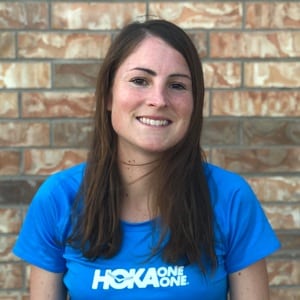
Sabrina Little fitting running into the individual seconds of life. All photos courtesy of Sabrina Little unless otherwise noted.
Intellectual Catabolism
Twenty-four hours is a long time to be by oneself. The best way I can describe the experience is that it is intellectually catabolic. You have time to think about everything — to digest, synthesize, examine, and unravel ideas. A girl can eat herself alive out there if she does not have enough to think about.
On these grounds, a strategy I have adopted in my preparation for long races is book-loading. It is like carb-loading, but with books, and I highly recommend it. Before my races, I read something I am excited about, and I think about it in the early hours of racing while I am still lucid.
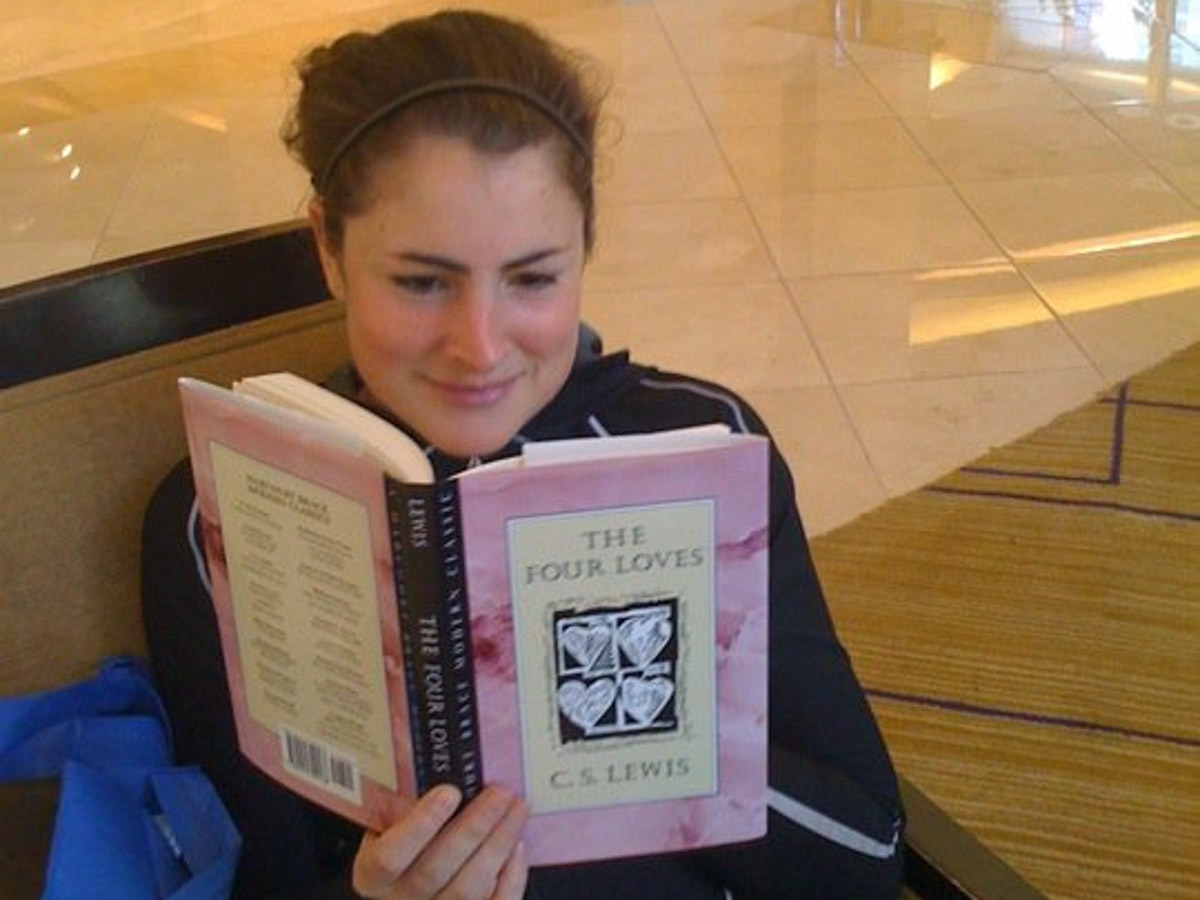
Sabrina Little reading “The Four Loves” before the Back on My Feet 24-Hour Run in Philadelphia in 2011.
For those who are similarly excited about good books and running, I’ve compiled a short list of books I have enjoyed recently. I only included books in the running and performance genre this time. Next month, I will write a follow-up column recommending philosophical texts I think you should read as a runner, too. There are many.
Book Recommendations
“The Front Runner” by Brad Fawley
This is a novel featuring three protagonists. The first is a boy who initially runs the roads alone in Kansas and later is trained by a reluctant coach whose extended workouts make my legs tired just by thinking about them. The second and third protagonists are twin boys ensnared in a statewide doping program. Their agency is compromised, and they have a conflicted relationship with the sport. They compete at the Olympics against the first boy. This book is beautifully written — and, gratefully, long because I did not want it to end. Fawley knows the ethos and texture of running. I think this will become a cult classic like “Once a Runner” by John L. Parker Jr. when more people discover it.
“The Running Ground” by Nicholas Thompson
Thompson is the CEO of “The Atlantic.” He is bright, successful, highly conscientious, and honest. He is also a runner — a very good one, having run an astounding 3:04 for 50 kilometers.
I loved this book. Thompson describes a tumultuous relationship with his late father, a run-in with cancer, and a sometimes-uncertain career path. He speaks honestly about how he works to prioritize his family in a demanding career while running at a high level. iRunFar has an in-depth review of this book as well.
If you are on Strava, maybe you notice, as I do, Nick Thompson’s morning run-commutes to work and afternoon loops around the soccer field while his kids practice. This is the kind of person I want to learn from. He lives an admirable life within his constraints.
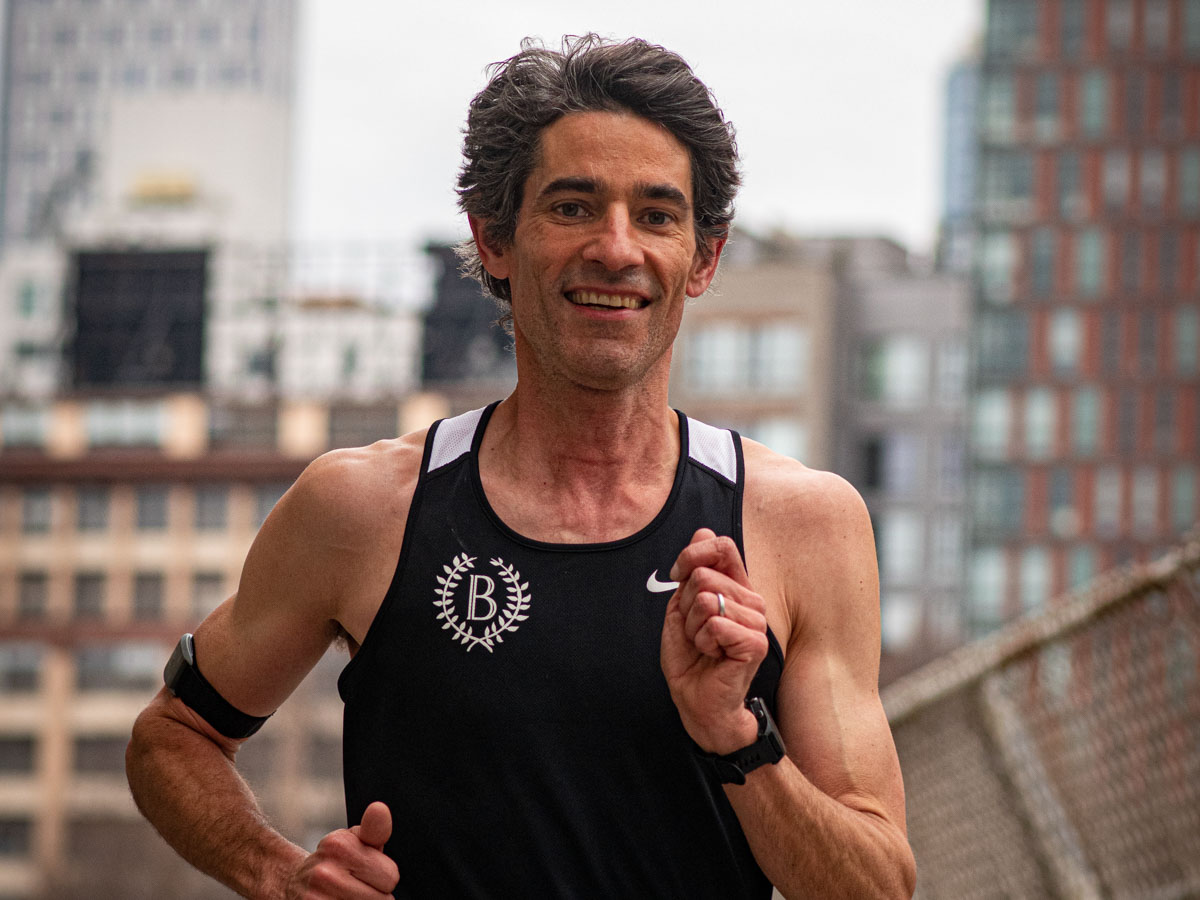
“The Running Ground” author Nicholas Thompson. Photo: Sarah Stafford
“The Explorer’s Gene” by Alex Hutchinson
If you are like me, part of the attraction to ultrarunning is exploration. I am curious, and this drives a lot of my training. Often, I run longer than I intend because I want to discover what is further on a trail. “The Explorer’s Gene” speaks to this common, human motivation.
Hutchinson argues that the desire to explore is rooted in human biology. He describes the mixed-valence response we have to difficulty — disliking uncertainty but being pleased by the opportunity to resolve it. We are satisfied by overcoming difficulties, such as by connecting new trails after briefly assuming we were lost or assembling IKEA furniture following a period of difficulty and vexation.
Hutchinson also makes the case for leaving the GPS unit at home and finding one’s own way (1). He notes that about 45% of our daily actions are habitual and asks us to investigate these habits. Why do we perform certain actions repeatedly? Are any of our routines sub-optimal?
Hutchinson is a great writer. This is a great book. It has convinced me to do more exploring and to stop begrudging the assembly instructions that often accompany my children’s toys.
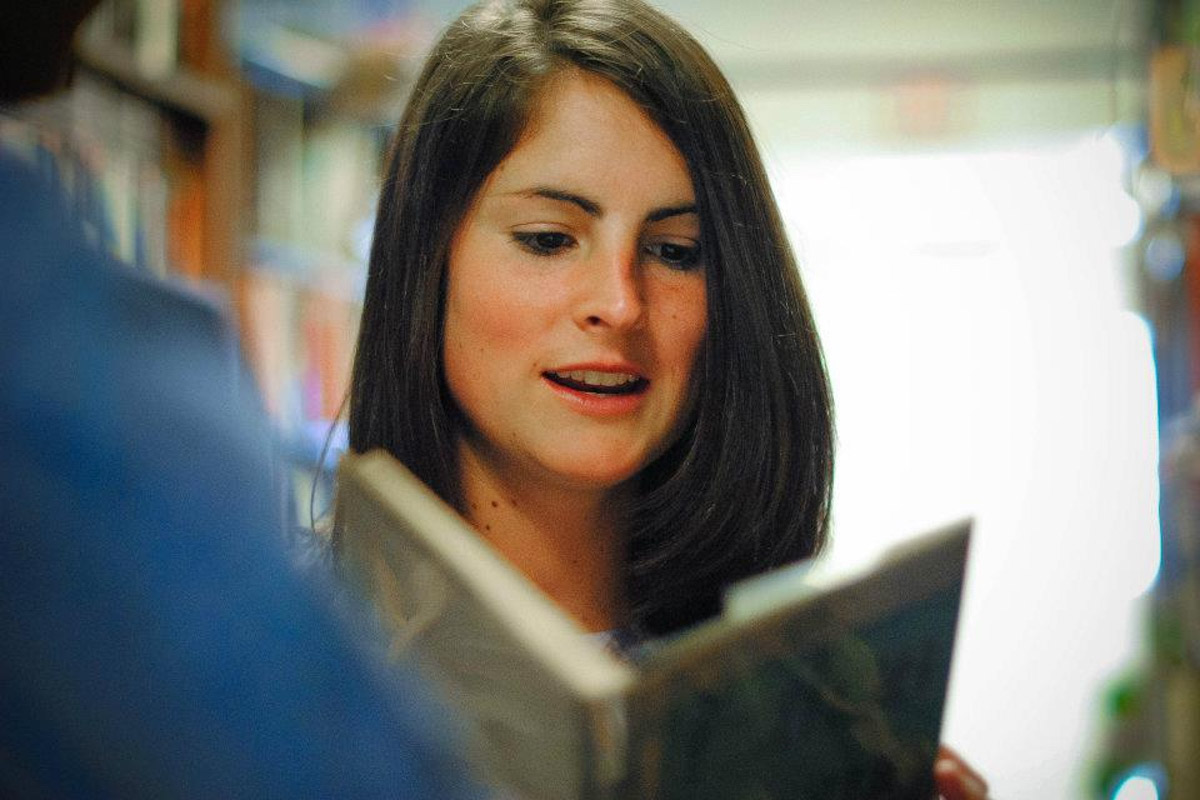
Sabrina Little gathering ideas to mull over on her next long run.
“The Rise of the Ultra Runners” by Adharanand Finn
I read this because I am curious about how ultrarunning is perceived. Do people think we are a little strange? Yes, rightly so. How are we regarded by the outside world? Interestingly, Finn does not assess the sport from “without.” He assesses it from “within.” He becomes an ultrarunner.
Finn does a commendable job introducing the world to the sport of ultrarunning through personal narrative and background information about key events. He describes his own quest to run UTMB — a journey that involves considerable struggle, injury, and mixed feelings about whether completing such a long, arduous event is worthwhile. A familiar cast of characters, including Zach Miller, Jim Walmsley, and Kilian Jornet, features in the book.
I shared Finn’s mixed feelings about ultrarunning because I feel the same way. It was also interesting to learn about the obstacles to entry for certain races. The book left me wondering how hospitable I am to new runners. It can be a confusing landscape to navigate without the guidance of veteran ultrarunners.
Final Thoughts
Reading is an important part of the mental side of training for me. It gives me something to think about when I run far, alone. For this reason, I am always looking for book recommendations from others, and I like to share about the good books I have found recently. Please let me know if there are any books you recommend for all of us!
Notes/References
- Today I drove to my university without my GPS unit, and I got lost trying to locate the parking garage.