If Gabriel Bastos Barros, otherwise known as Biel, is far more than just a runner from Brazil, and “Infinity (Featuring Biel)” is far more than just a running film. Instead, it’s a 3-minute, 14-second, beautifully shot and edited exploration of finding the edge, time, and a runner’s relationship with both. The short length and visual intensity give a quick, powerful glimpse into Biel’s emotions and motivations as he competes at the 2025 IAU 24-Hour World Championships in Albi, France.
[Editor’s Note: Click here to watch the film on YouTube.]
Born in Brazil, Biel is an artist, musician, and janitor living in Berlin, Germany. It’s immediately clear that he’s different from the rest of the runners on the Albi start line. The film utilizes a series of quick edits featuring close-up shots, capturing his intensity and emotion as he prepares and competes. These moments are artfully interspersed with striking black-and-white imagery, which adds both contrast and depth to the narrative. In one particularly poignant segment, Biel reflects on his experiences, stating, “When you think you have found the edge, usually you have not found the edge.” This powerful statement gives us insight into Biel’s unrelenting pursuit of ultrarunning.
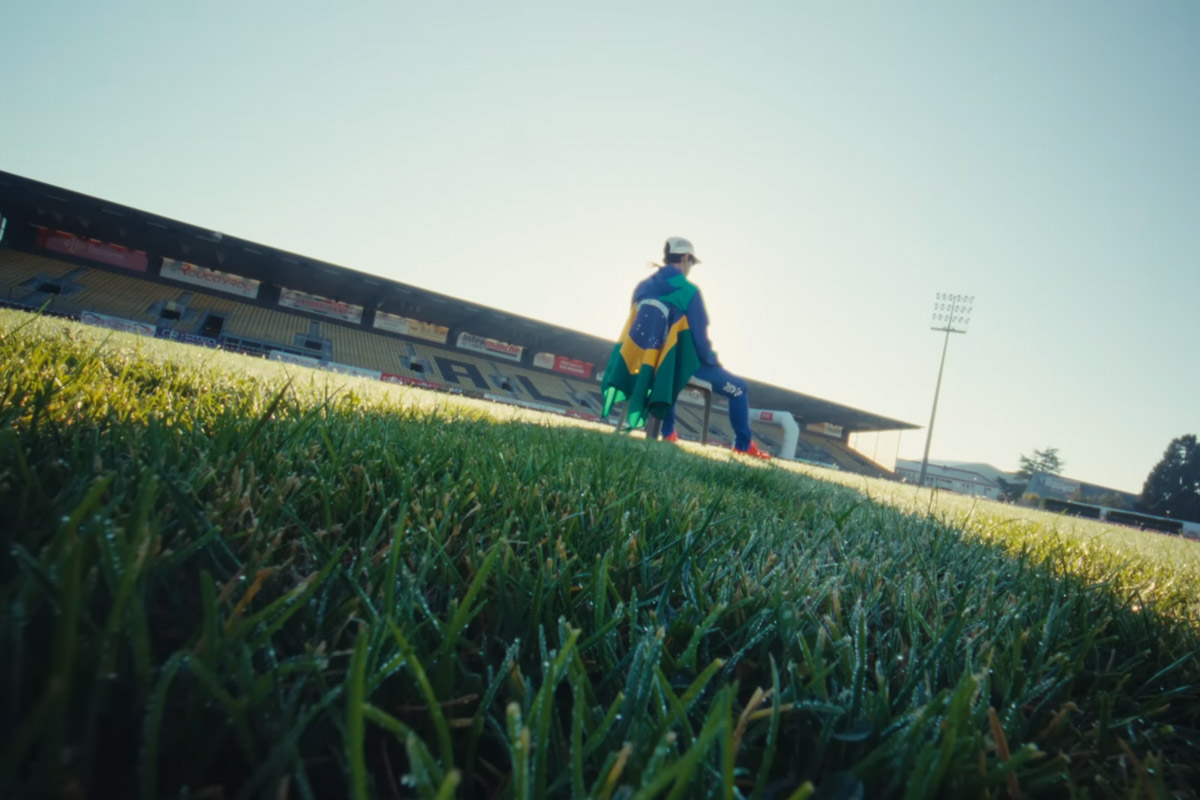
The imagery of “Infinity (Featuring Biel)” is stunning from start to end. All images are screenshots from the film “Infinity (Featuring Biel).”
Biel is someone who goes all in on whatever he does. His nature is apparent upon first inspection. Biel is tattooed from head to toe, quite literally, with scruffy, short black hair and a very friendly, inviting smile. He is perhaps best known for becoming the first signed athlete for The Speed Project, a no-rules, no-spectator, point-to-point race from Los Angeles, California, to Las Vegas, Nevada. The 340-mile event is unsanctioned, invite-only, and does things its own way. The partnership seems fitting.
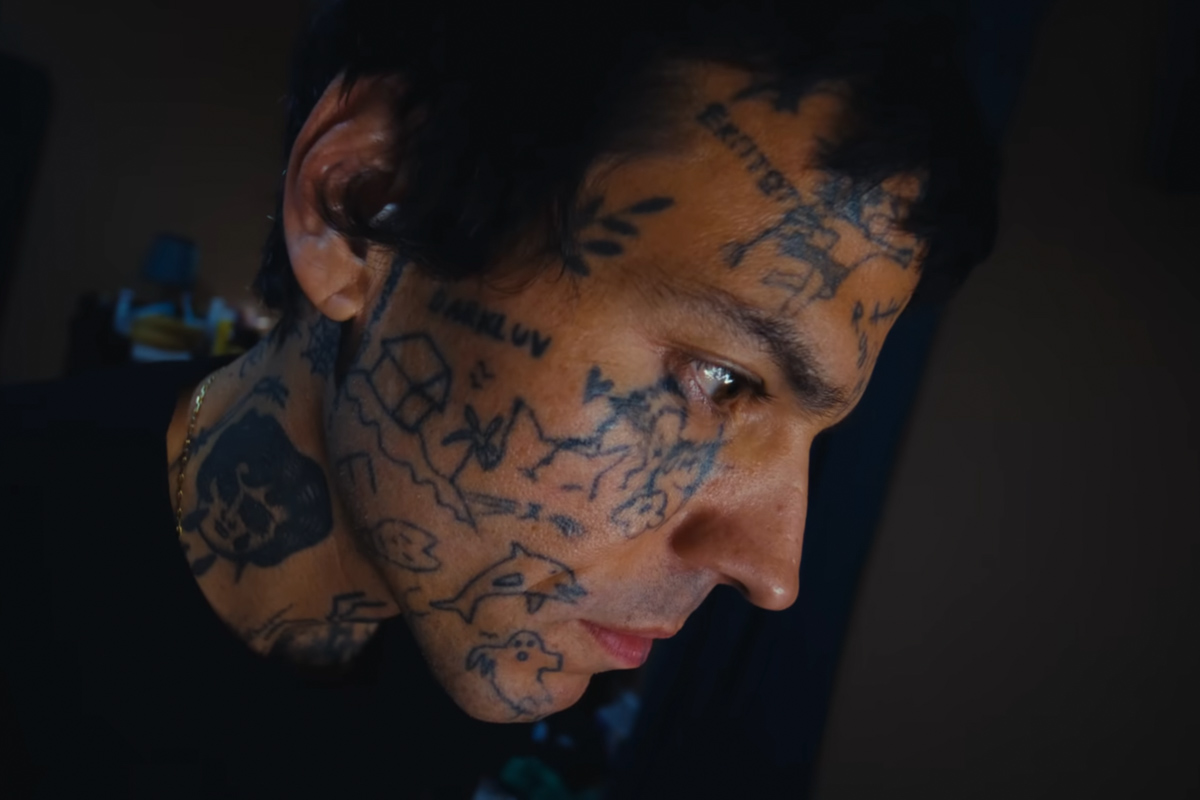
Biel is far from a stereotypical ultrarunner.
Biel, who grew up playing soccer, is humble, with not even the slightest hint of hubris. Biel shares his personal connection with long-distance running in the film, providing insight into how the sport has become an essential form of expression for him. He reflects on the unique sensations experienced during endurance events, describing a moment where he feels as if he is running on clouds, saying: “You still have a lot of pain, of course, but at the same time, you feel so light. This is as close to something spiritual, or even sacred. I don’t know.”

Biel embracing the pain during the 2025 IAU 24-Hour World Championships.
The soundtrack song, which is “Says” by Nils Frahm, seamlessly complements the images, light, and story. The piece feels cohesive with each element adding to the brief narrative. Biel’s narration reveals running’s profound impact on his life, highlighting both the physical and emotional aspects that drive him forward. He says, “I’m not afraid of pushing until it hurts, you know. That’s when I feel alive, and everything makes sense to me. We grew up with pain, we live with pain, pain is everywhere.” We watch Biel push up against pain as the hours wear on during the race, and can feel the emotion when he says, “Most of our lives we are trying to go against the pain … But pain is part of our life.”
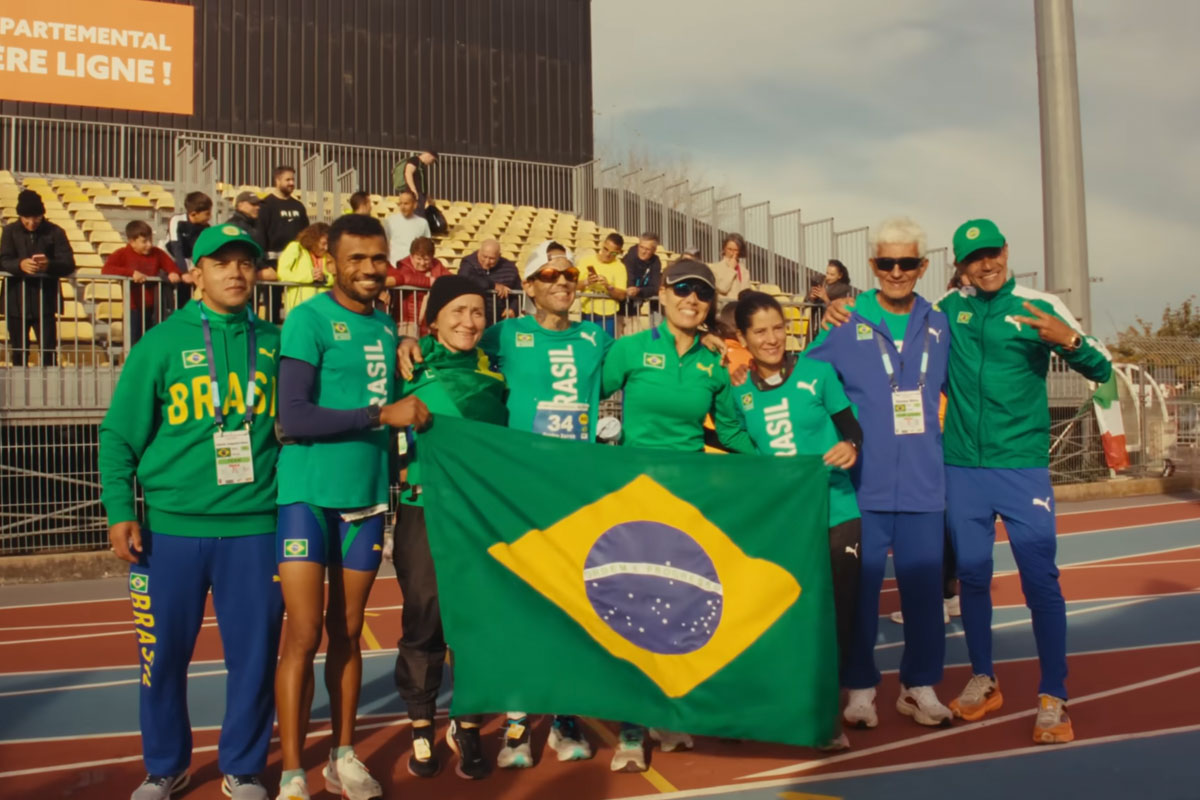
Biel with Team Brazil at the 2025 IAU 24-Hour World Championships.
Biel finishes the race with just under 251.837 kilometers (156.5 miles) triumphantly wrapped in the Brazilian flag and poses with his team. The story comes full circle, ending just as it began: in black and white beneath the stadium lights. This film is a powerful reminder of why we chase the simple, brutal challenges of ultrarunning. As Biel tells us, “You have to forget the time and just run.”
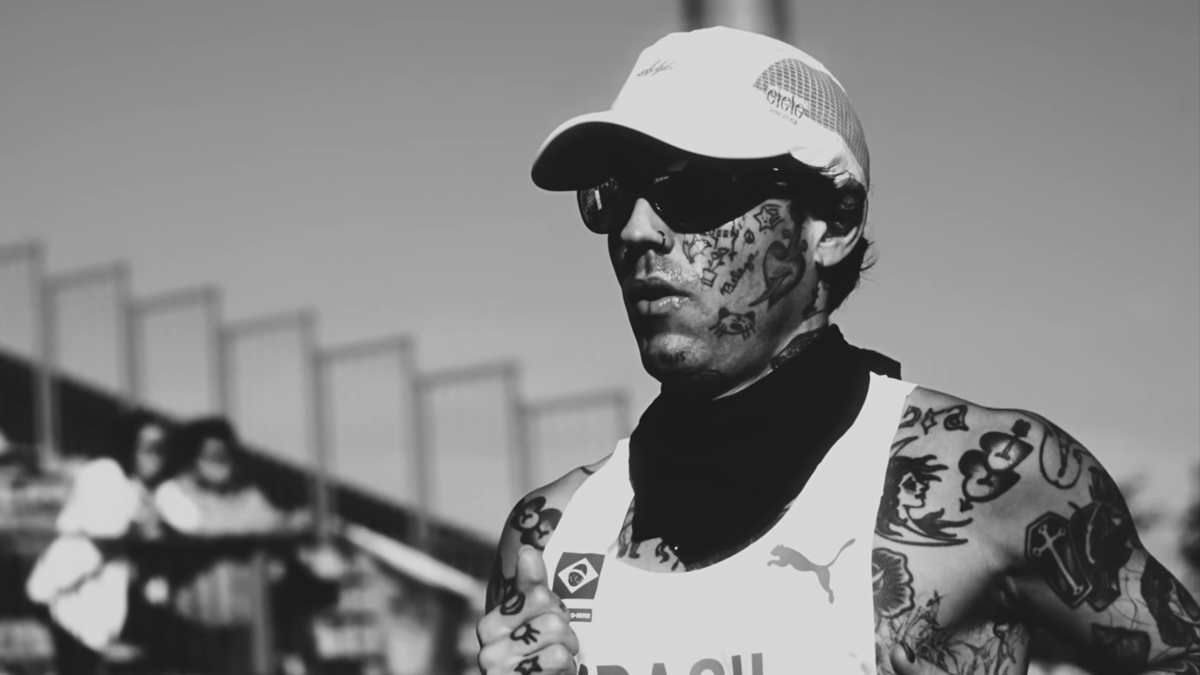
Biel chasing the simple challenges of ultrarunning.
Call for Comments
- What did you think of the film?
- As a runner, what is your relationship with time?