[Editor’s Note: Author Kristen Schindler is a mental performance consultant, elite trail runner, new mom, and founder of Integrated Stride Coaching. A former collegiate athlete and UESCA-certified coach in running, sport psychology, and coaching pregnant and postpartum athletes, she helps runners rewrite their stories of potential through science-based, human-first coaching.]
When Salomon announced that they’d signed two-time mountain running world champion and six-time U.S. national mountain running champion Grayson Murphy onto their international team with a multiyear contract in early March 2o26, it wouldn’t have come as much of a surprise to anybody, except for the fact that Murphy was expecting her first child in May. Signing an athlete halfway through her pregnancy isn’t traditionally seen as a way to get an immediate return on investment, and historically, many women athletes have been worried about starting families in the middle of their running careers because of potential loss of sponsorship support.
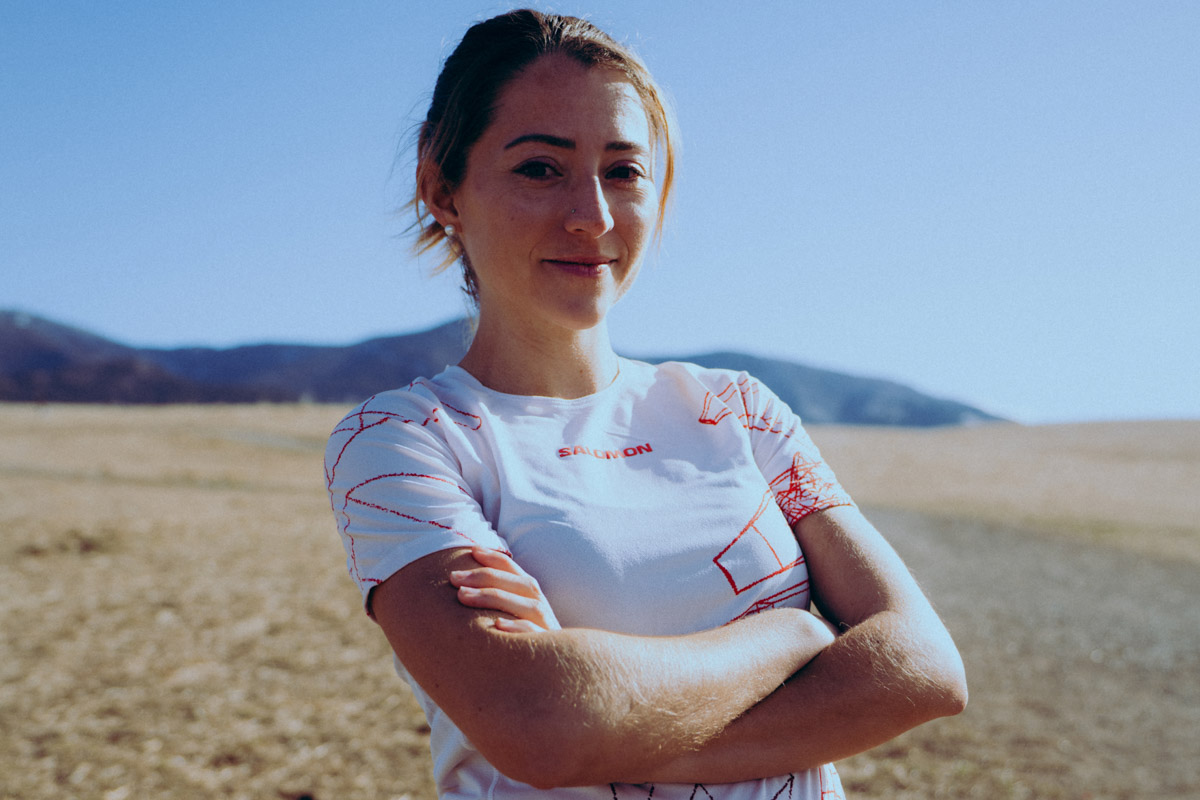
When Salomon signed Grayson Murphy in 2026, they were supportive of her pregnancy and ready to support her return to racing. Photo: Salomon/Cortney White
Just 15 years ago, two-time Olympian Kara Goucher ran the 2011 Boston Marathon seven months postpartum, suspended from her Nike contract without pay because of her pregnancy. Murphy’s signing is an indicator that trail running is becoming increasingly accepting — and potentially even encouraging — of women becoming mothers during their athletic careers. When Camille Bruyas, a two-time second-place finisher at UTMB, recently announced her pregnancy, she did so alongside Salomon, her longtime sponsor. In a social media post on April 22 celebrating the occasion, Salomon stated: “A new chapter begins and we’re honored to support Camille, today and for the years to come.” While women have been running at the highest levels through pregnancy and early motherhood for years, it feels like the industry is catching up, offering the recognition, support, and opportunities these athletes deserve.
Whether it’s sponsors offering pregnancy protection clauses in contracts or events offering pregnancy deferrals and accommodations for new mothers, the culture of trail running is changing to ensure that new mothers have the support they need to return to the sport at their own pace. There’s no doubt that Murphy’s new contract was built on the advocacy of those who came before, insisting that becoming a mother is no reason that a woman can’t also be an elite athlete.
History of Motherhood in Ultrarunning
While it may seem that the phenomenon of high-level athletes becoming mothers in the middle of their careers is something new, it’s not. For decades, women charted these paths largely in private out of necessity rather than choice, and still, their achievements were remarkable. In 2007, Emily Baer finished second at the Hardrock 100 — and a remarkable eighth overall — while stopping at aid stations throughout the rugged San Juan Mountains to breastfeed her infant son. Not only did she navigate 100 miles with 33,200 feet of elevation gain, but she also had to manage milk supply, logistics, and the emotional weight of racing with a newborn.
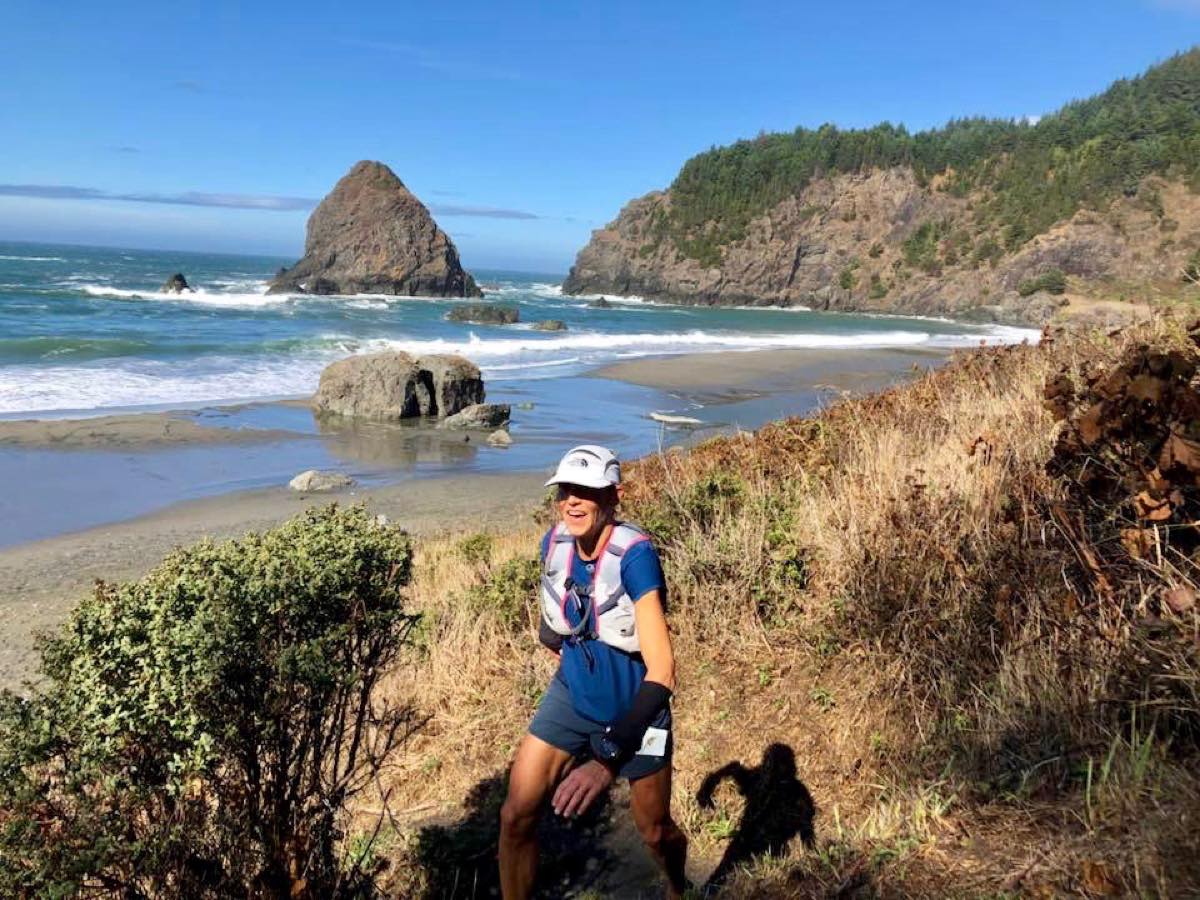
Kami Semick on her way to tying for the win of the 2018 Secret Beach 100k. Photo: Rainshadow Running
Kami Semick, a two-time “UltraRunning Magazine” North American Ultrarunner of the Year, stacked wins and world titles in her late 30s and early 40s while raising a young daughter in the early 2000s. She was featured in a celebrated 2006 The North Face ad running with her four-year-old daughter in a pack.
It was everywhere in running that new moms were excelling, but what wasn’t present was support and protection for the new mother athlete. When Goucher finished the 2011 Boston Marathon less than seven months postpartum, what wasn’t talked about was that now infamous contract blunder. There were no standardized maternity protections or public frameworks for balancing elite competition and motherhood. If a runner didn’t perform — because of pregnancy or other medical conditions — their contract could be terminated.

Kara Goucher (center in white) running the 2008 New York Marathon. Photo: {{{1}}}, CC BY 2.0 <https://creativecommons.org/licenses/by/2.0>, via Wikimedia Commons
For years, situations like this played out. But over time, individual experiences of road runners — potentially more so than those of trail runners because of the greater contract money associated with road and track running — began to surface publicly, evolving into a more collective and visible form of advocacy. Track legend Allyson Felix publicly called out her sponsor, also Nike, in 2019 after the brand proposed a 70% pay cut during contract negotiations during her pregnancy and offered no maternity safeguards. She left the brand. Her advocacy helped prompt Nike and other companies to adopt stronger pregnancy protections soon after. Similarly, Alysia Montaño, the 2012 Olympic bronze medalist in the 800-meter event, revealed that she left Nike after the Olympics because they didn’t provide any pregnancy protections, and her new sponsor, Asics, reduced her payments after she gave birth in 2014. She went on to win the 800-meter event at the 2015 USATF National Championships less than a year after giving birth.
Advantages of Motherhood
These stories of women having children and returning to their sport at a high level aren’t exceptions to the norm. A 2023 study of 42 elite to world-class distance runners found that many returned to competition postpartum at the same or higher performance levels. They maintained statistically similar results in the one to three years after childbirth, with nearly 56% actually improving their performances.
Psychological factors also play a major role. Motherhood often brings a realigned perspective, a deeper well of mental toughness, and the sense that sport isn’t everything, which can deepen motivation and emotional resilience when supported by coaches, sponsors, and communities.
Changes in Culture
While women have been running and having children since the start of the sport, it’s only been more recently that they’ve been demanding support through the life change. By going public with their situations, Goucher, Felix, and Montaño didn’t just survive the intersection of high-level running and parenthood; they pushed the boundaries of what was considered possible and proved that ambition and motherhood thrive when placed side by side. Their stories became the blueprint for a new generation.
Today, the conversations these athletes helped spark are leading to tangible shifts. Sponsors are beginning to treat pregnancy not as a detour but as part of an athlete’s long arc. Soon after Felix left Nike, the brand changed its pregnancy policy to provide 18 months of support to pregnant athletes. Montaño, now a mother of two, and Tina Muir, a U.K. marathoner, both signed with Altra in 2025 while pregnant.
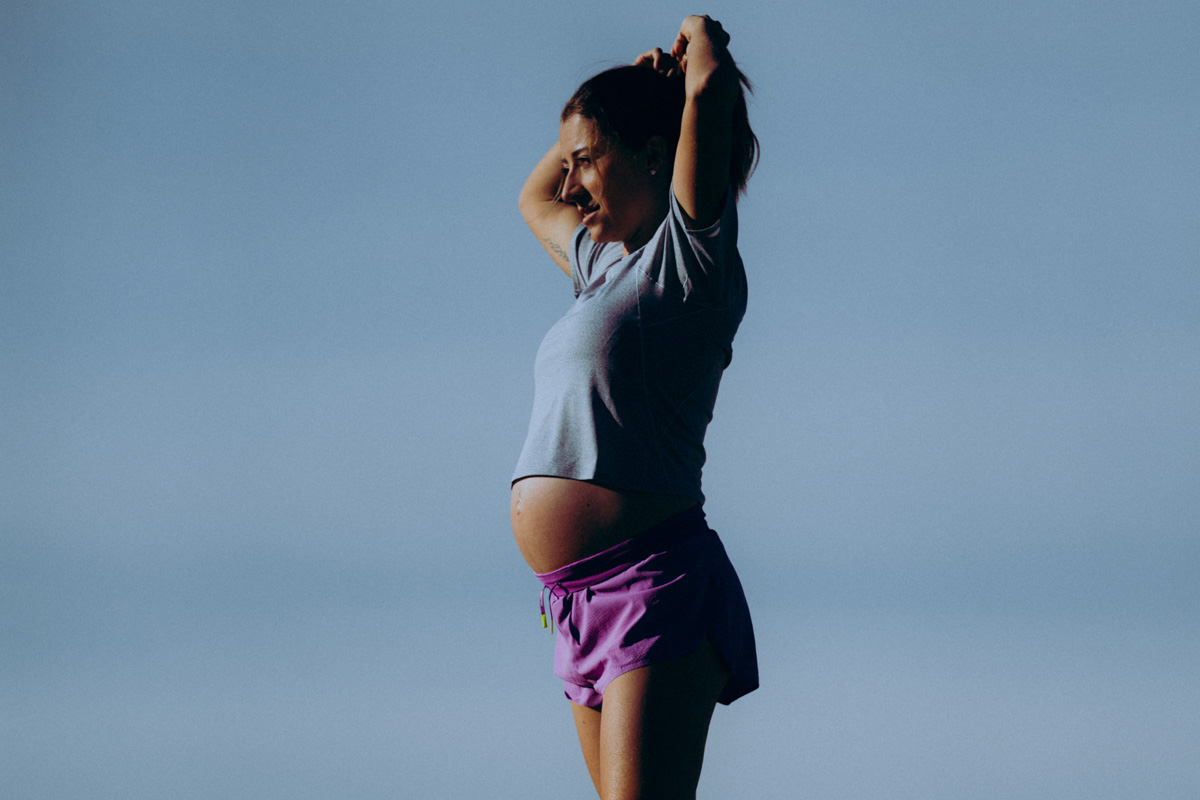
Salomon has invested in Murphy with a multiyear contract supporting her pregnancy. Photo: Salomon/Cortney White
In March 2026, Grayson Murphy, who won the 2019 World Mountain Running Championships and the 2023 World Mountain Running Championships Classic race, signed that Salomon deal in her second trimester. When announcing the signing, Salomon said they were committing to supporting her journey through pregnancy and her return to high-level performance.
A Shifting Paradigm
What stood out most to Murphy was how matter-of-fact the brand was about her pregnancy. “It was like, not a big deal,” she said. “It wasn’t really a huge talking point during our negotiations, which made it feel nice … They were just like, ‘Well, it’s part of your life, and we’re still going to sponsor you.” The offer came at the level she would have expected, regardless of pregnancy, with performance expectations for the year largely waived. “There’s no expectation,” Murphy explained. “I really want to run my marathon debut before the year is up, but if it’s not healthy, there’s no repercussion for that from them.”
In a press release, Salomon Athlete Manager Victor Moreau echoed this athlete-first mindset: “It is super important for us at Salomon to commit to supporting her in this journey first, before helping her the best we can on her path back to high-level performance.”
Murphy appreciated being seen as a whole person. “It’s not just as a professional runner, but as a soon-to-be mom, too,” she noted. “That kind of belief in the whole athlete and in my future goals and dreams means a lot, and I’m really proud to represent a brand that sees and supports all of that.”
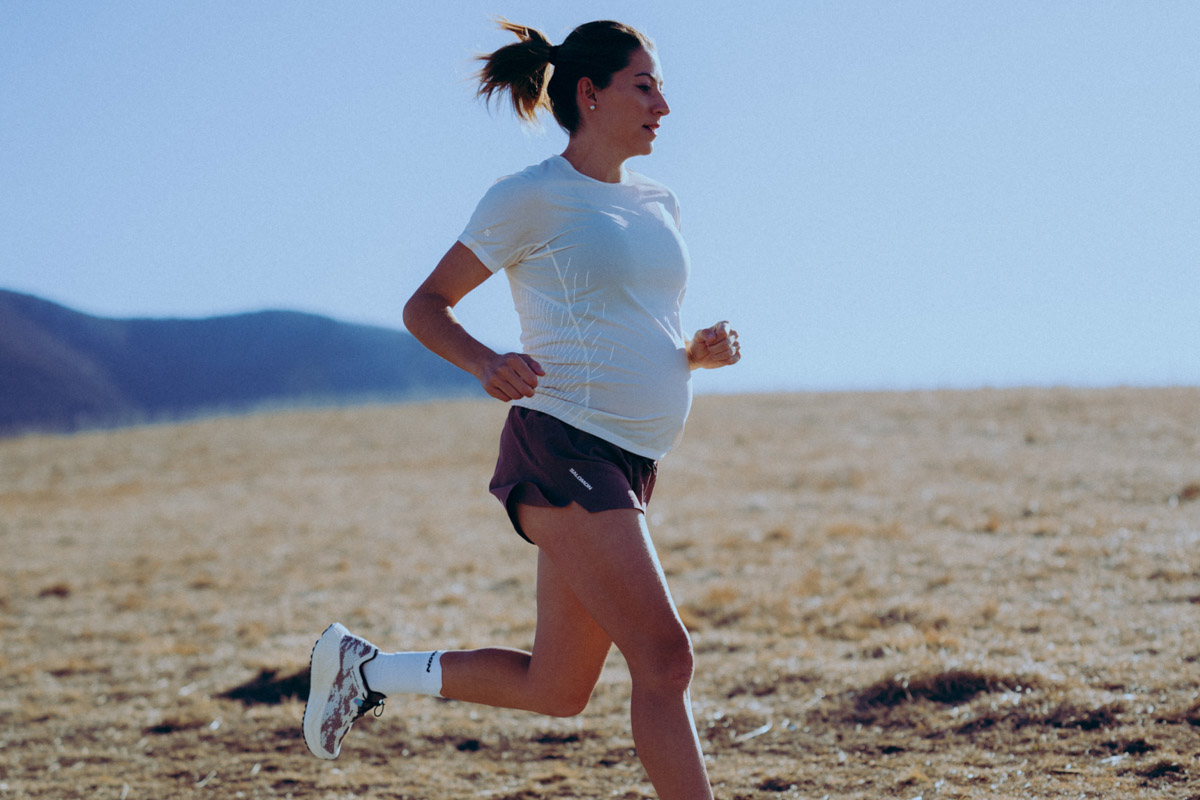
Murphy, a soon-to-be mom. Photo: Salomon/Cortney White
The partnership has also given her space to navigate the practical realities of returning postpartum, like breastfeeding while racing and potentially needing a travel companion for her baby. She hopes more brands will eventually build in support for that extra travel in the first year.
Pregnancy itself has reinforced the mental skills Murphy honed through years of elite training. She has approached the long “training block” of pregnancy with the same day-by-day focus she uses in a buildup: “Focusing on little chunks at a time in training, just brick by brick, stacking it up.” For birth, she plans to draw on race-day strategies — treating contractions like track repeats that come in waves — staying present in the discomfort rather than fighting it, and controlling what she can: attitude and effort. “Having the expectation that this is not going to be easy is directly relatable to racing,” she said.
Motherhood is already beginning to shift her perspective in subtle but powerful ways. While her competitive goals remain unchanged — she still wants to win races and run fast — Murphy anticipates a healthy release of pressure once her child arrives. “Once I have my kid, it’s not that I won’t care about stuff,” she explains, “it’s just that the pressure won’t be there as much because at the end of the day, I’ll have this much more important thing that I’m going home to.”
That mindset shift is made possible, in part, by practical support. The Salomon contract removed the financial uncertainty that has so often shadowed professional athletes’ pregnancy and early motherhood, allowing Murphy to focus fully on the arrival of her child, recovery, and her eventual return to training. The same principle can benefit recreational runners too: removing external stressors lets motherhood enhance rather than hinder the running journey.
Changes in Race Organization Cultures
Support for athletes, however, extends far beyond sponsorship deals, especially for non-elites. Many races are stepping up, though gaps remain in formal policies. The JFK 50 Mile, for example, maintains a strict non-refundable, non-transferable, and non-deferrable policy with no pregnancy-specific accommodations or deferral framework, leaving pregnant athletes of every speed to choose between losing their entry fee and risking their health or missing the event entirely.
Organizations like Trail Sisters are raising the bar for the entire sport with their “Approved” designation, which sets standards that include equal podium spots and awards for women, women-specific apparel, menstrual products at aid stations, start-line visibility for women, and written pregnancy and postpartum policies recommending at least one to two years of deferral or refund options.
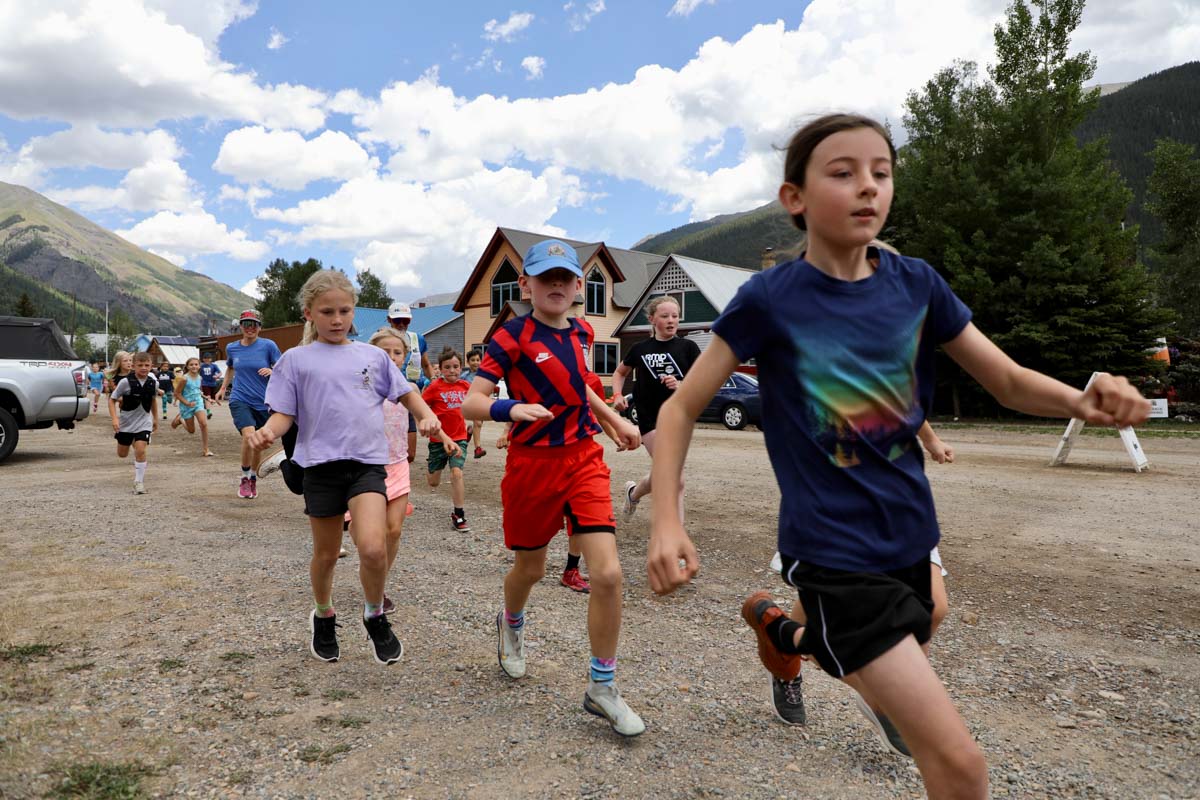
Kids’ events, like the Hardblock at the Hardrock 100, make events kid- and family-friendly. Photo: iRunFar/Bryon Powell
Several major races have developed pregnancy-deferral policies and made their events more family- and new-parent-friendly in recent years. The UTMB World Series program allows runners who become pregnant after registering — or their partners — to defer their entry for up to two years. The policy also covers in vitro fertilization treatments, surrogacy, and adoption, and runners can hold their lottery spot for up to five years, or get a full refund. The Western States 100 allows runners who are pregnant or become pregnant when selected to the race to defer indefinitely, and the Hardrock 100 offers a five-year deferral window. The New York City Marathon and Boston Marathon both have pregnancy deferral options. The Broken Arrow Skyrace offers a three-year pregnancy deferral, expanded lactation stations, and limited on-site childcare services. These accommodations reflect a growing commitment to making technical trail running more accessible for athletes navigating parenthood.
Some events are going even further to accommodate the needs of new mothers. The Standhope 100 Mile in Idaho stands out for its thoughtful mom-focused infrastructure: private pumping and nursing tents at key aid stations stocked with wipes, seating, and a quiet space. The race will also transport breast pumps between aid stations. There is also dedicated family crew access with special wristbands for parents with infants and a fun kids’ loop at the finish line where children can run a short celebratory distance alongside their parents.
Many races now offer kid-friendly activities, including the Hardrock 100’s Hardblock run for kids and the Rut Mountain Runs’ Runt Run. These events make the event welcoming for families and help normalize the idea that parents belong on the start line.
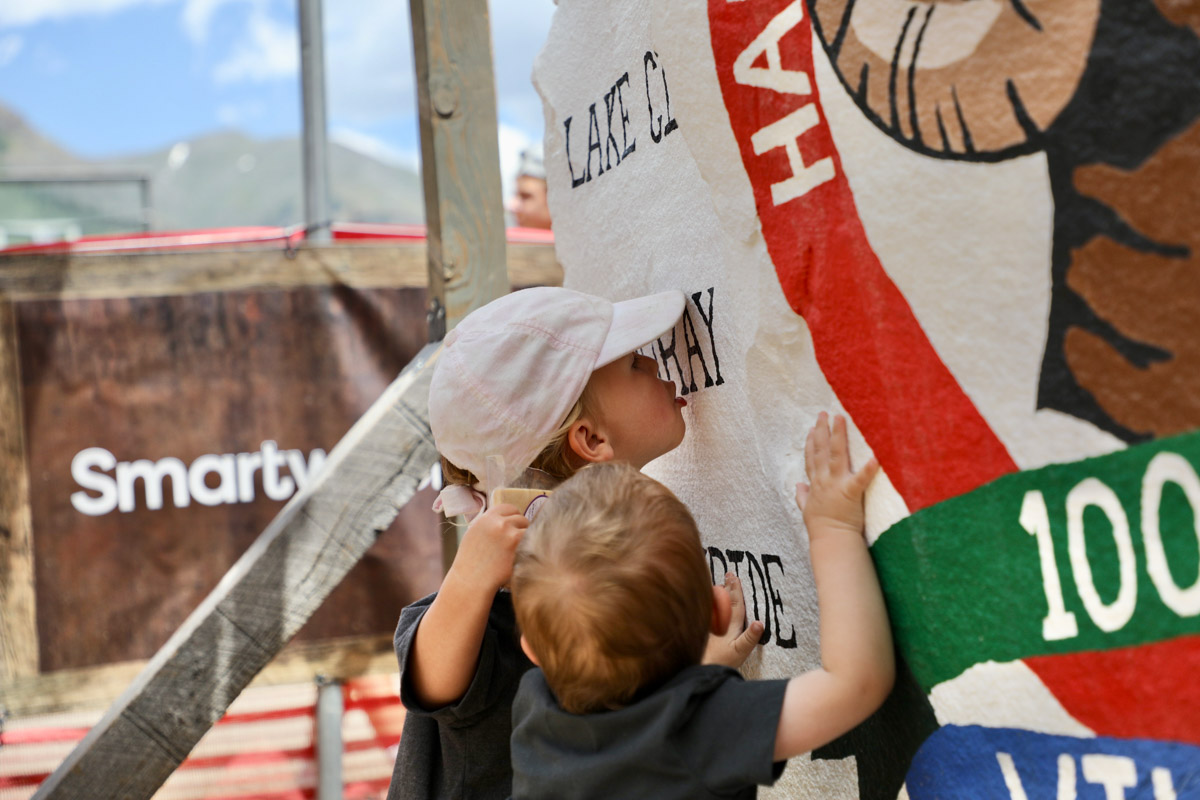
Participants of Hardblock kiss the Hardrock 100 rock at the end of their run. Photo: iRunFar/Bryon Powell
Together, these thoughtful on-course accommodations and formal deferrals signal that pregnancy isn’t a penalty. They allow runners at every level to train, parent, and compete on their own terms without fear of losing entries or incurring steep financial costs. This kind of support isn’t just practical, it’s powerful.
Unpredictability of Parenthood
Even with support, pregnancy and early motherhood remain inherently unpredictable for any athlete. Workouts that once felt routine can shrink dramatically or fracture into short segments dictated by nausea, fatigue, or round ligament pain. Technical trail runs may be replaced by cautious stroller miles on fire roads or treadmill sessions when balance and joint stability shift. Breastfeeding or pumping schedules add another logistical layer, while sleep deprivation slows recovery. For recreational runners, these realities often collide with work, childcare, and limited resources, turning what used to be a straightforward training week into a daily negotiation. In a 2011 interview, Semick told iRunFar that she was choosing races that didn’t require too much time away from her family and were easy to drop into.
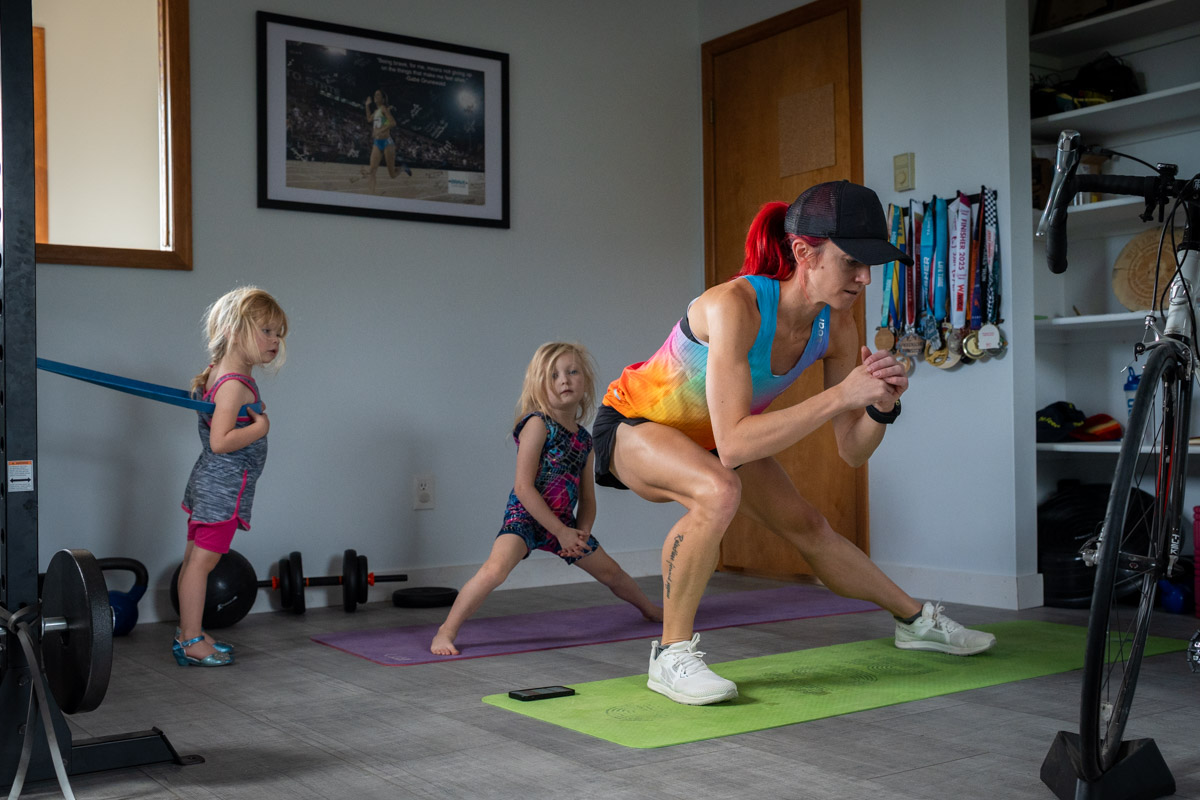
Altra has supported Amanda Basham through her two pregnancies and her return to the sport. Photo: iRunFar/Eszter Horanyi
But runners are uniquely adapted to cope with the added difficulties of pregnancy and parenthood. The mental skills of focus, adaptability, and resilience — cultivated through years of endurance training — don’t disappear. In fact, they often become even more valuable when the surrounding environment actively supports them.
Progress
Motherhood frequently brings a meaningful shift in perspective: reduced pressure to perform perfectly, a greater sense of purpose, and the freedom to approach races with more confidence and relaxation. Ultimately, policies around sponsorships, race deferrals, and community initiatives can shape the emotional experience of athletes who choose to become parents, allowing them to stay present and resilient.

Several brands have supported mom and dad, Emelie Forsberg and Kilian Jornet, for several years. Photo: Suunto
While the progress we’re seeing in 2026 is real and accelerating, work remains to make support truly universal. When brands, race directors, and communities treat pregnancy and motherhood as expected chapters rather than inconvenient interruptions, they deepen the sport’s overall strength and longevity. True advancement will come when every runner can move through these seasons without fearing that one chapter of life must come at the expense of the other.
While the systems evolve, women continue to lead the way, showing how running and parenthood do coexist, that pregnancy doesn’t sideline ambition, that motherhood doesn’t pause a career, and that running and parenthood aren’t opposing forces. Women have always run through motherhood. And now, with growing support, visibility, and belief, women can continue to redefine what’s possible as both mothers and athletes. And they’ll no longer be doing it alone.
Call for Comments
- Are you an athlete who started a family and returned to the sport? What was your experience like?
- What other events are offering family- and new-mom-friendly accommodations?